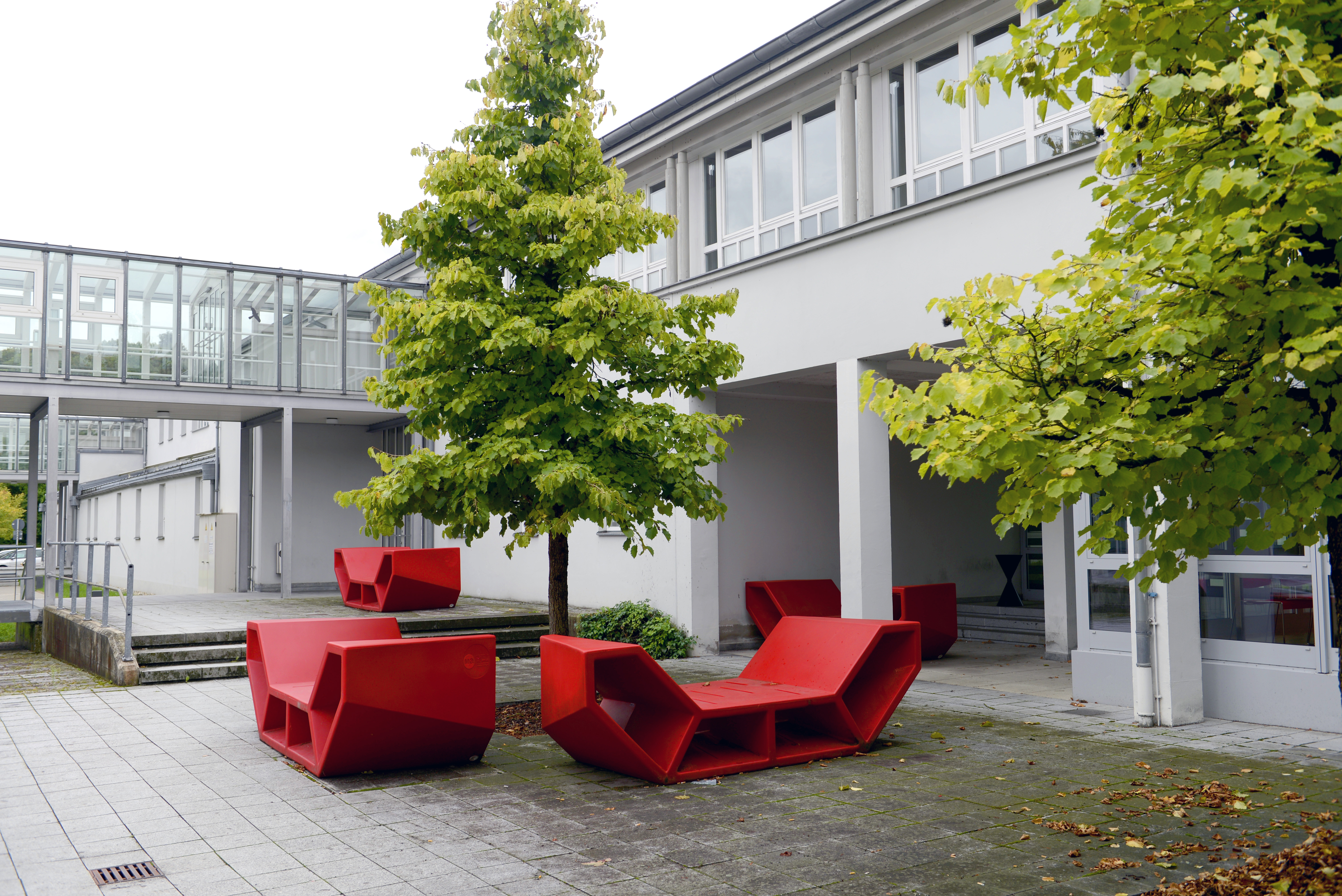
Student unions Studierendenwerke (in some federal states also called Studentenwerke) exist as independent institutions at the university locations. They look after students, provide catering facilities, student…
Insurances Some types of insurance, such as health and long-term care insurance, are compulsory for students, while others can be taken out voluntarily. Particularly if you work alongside your studies, you must…
Accommodation Living with your parents, in a hall of residence, in a shared flat or in your own flat - depending on your budget and the housing market, there are various forms of accommodation available to you…
Financing options Secure student financing is an important factor when deciding on a degree programme and not insignificant for your academic success.
What does a degree programme cost? The answer to this question depends on many factors. Living costs and expenses for study requirements vary depending on the university location and subject. Whether you live with your parents or have…
Financing At the latest when you have been accepted to a degree programme, you should clarify the financial framework conditions and, if necessary, look for a flat.
Application and Admission You already know what subject you want to study? Great! Now it's time to find out whether you need to apply - and if so, what the procedure is.
What does ‘NC’ actually mean? ‘NC’ is the abbreviation for “Numerus clausus”, which means “closed number” in English. The NC is used in selection procedures when the number of applications exceeds the number of available study…
Jobbing Almost two thirds of students work alongside their studies - either regularly or occasionally. Ideally, a part-time job should not only provide a salary, but also practical experience relevant to…
Privacy Policy This privacy policy provides information on the type, scope and purpose of the processing of personal data by the responsible provider, the Federal Employment Agency (BA), represented by the…


 Official Study Guide for Germany